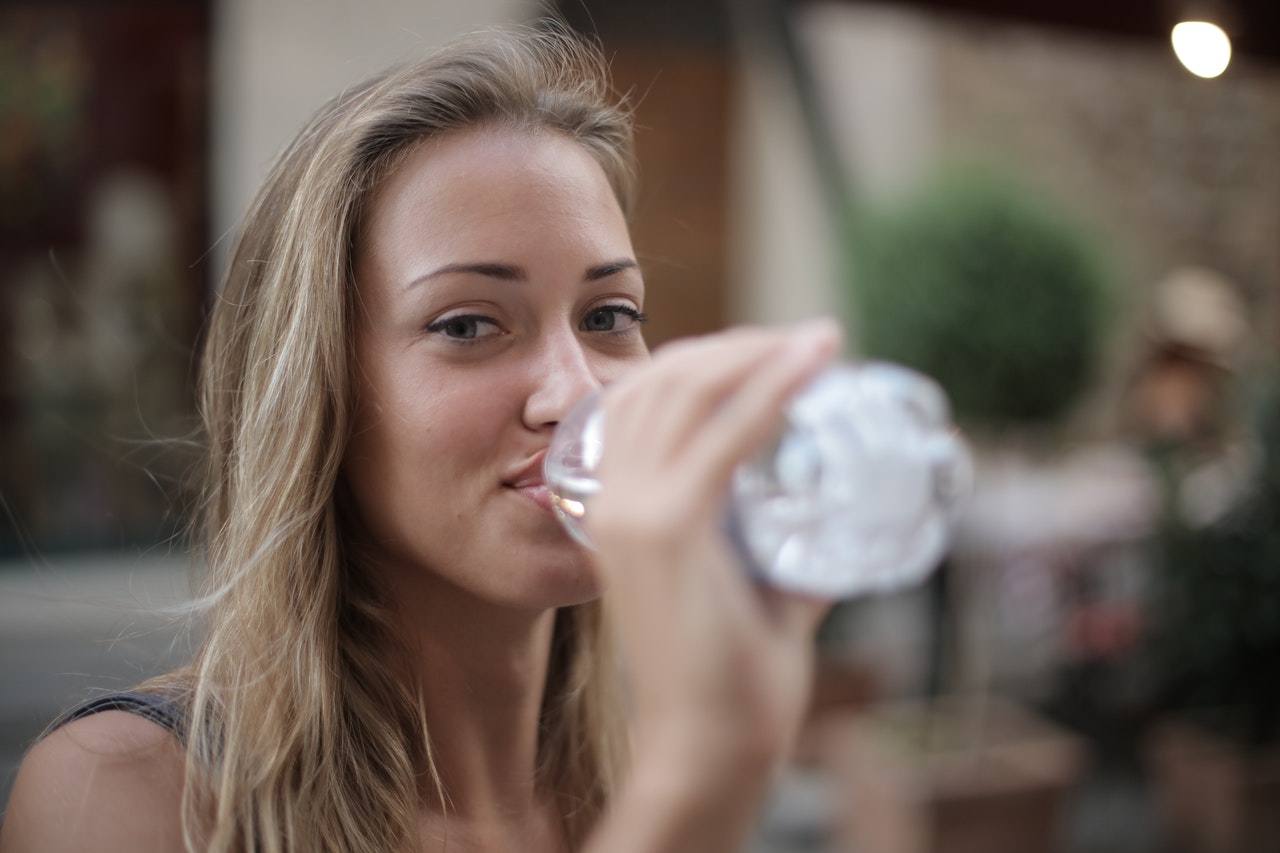
These innocent things you might be doing could be destroying your smile. So if you want to keep your teeth strong and healthy, dentists recommend cutting out the following habits:
01. Drinking bottled water
Some of the best everyday protection for teeth comes from drinking tap water, which is fluoridated. Fluoride fortifies teeth against decay and promotes remineralization, which helps repair minor decay. Most bottled water contains either no fluoride or less than is needed for good oral health, so drink from the tap rather than the bottle for your eight glasses a day.
02. Chewing on ice
You could easily chip or even break a tooth or dislodge a filling if you chew on ice. “It’s essentially chewing rocks,” says Dr. Jonathan Schwartz, a family and cosmetic dentist. “While our teeth are covered by the hardest material in our bodies, they are not designed to hold up to that kind of stress.”
03. Sipping sports drinks
The trifecta of acidic components, sugars, and chemical additives in sports drinks can weaken enamel, creating openings for bacteria to sneak in. If you must have Gatorade or the equivalent, knock it back all in one sitting—instead of sipping it throughout the day, which just puts the exposure on repeat—and consider sipping it through a straw. Swish with water afterward or chew sugar-free gum to neutralize the acids. Do the same if you’re drinking soda, too.
04. Using your teeth as a tool
Using your teeth to open bottles, tear off sales tags, or rip open plastic bags can cause you to to chip, crack, or fracture your teeth, or even throw your jaw out of balance, which can lead to chronic jaw pain.
05. Loading up on carbs
Bread, pasta, and crackers don’t start out as sticky, sugary junk food, but they quickly turn into sugars in your mouth. “Bacteria in the mouth feed on that sugar, causing tooth decay,” says Dr. Gregg Lituchy, a dentist in New York. “I try not to eat too much highly processed starch, but if I’m going to go out and have a big bowl of pasta, I’m going to brush right after, before the bacteria can convert those sugars into acid that corrodes my teeth.”
06. Leaving your toothbrush out
Storing your toothbrush on the counter—especially clustered in a holder with other people’s toothbrushes—invites the mingling of bacteria, and you could easily catch something from a family member. Plus, tiny particles of fecal matter can aerosolize (and land on your toothbrush) when you flush the toilet.
07. Using mouthwash without rinsing afterward
Mouthwash is great for killing bacteria you may have missed after brushing and flossing, but the alcohol it leaves behind can dry out your mouth, setting it up for decay. Little fissures in the tongue and throughout the mouth are more exposed when the mouth is dry, so bacteria can easily settle in. Choose an alcohol-free mouthwash, such as Listerine Zero, or swish with water afterward to rinse out the alcohol.
08. Brushing at the wrong time
Brushing immediately after meals is usually wise, but avoid doing so after eating or drinking something highly acidic, like wine, coffee, soda, citrus fruits, or fruit juices. “After having something like a fruit smoothie, which is highly acidic, the enamel on your teeth will be temporarily weakened,” Dr. Lituchy explains. “Wait about 45 minutes before brushing to give your saliva a chance to dilute the acidity.” Otherwise, he says, the abrasion of the toothbrush on the softened enamel could cause damage. You can also rinse with water to help neutralize the acid.
09. Skipping brushing entirely
We’ve all had long, grueling days where crawling into bed takes up all the energy we have left. “In that moment of self-evaluation — about the real risks of not brushing — I will always get up and go brush,” Dr. Schwartz says. “We find time to brush in the morning, but nighttime, before bed, is really the most critical.” That’s because plaque, which builds on teeth throughout the day, can calcify and become tartar within 24 hours. And at that point, you can’t just brush it off or floss it away—it has to be scraped off by a dental hygienist.
10. Drinking wine (without Vaseline)
The acidity in red wine (and tea and coffee) can soften enamel, especially if you swish it around in your mouth, giving the dark liquid an opportunity to stain or darken teeth. The tannins, elements that make wine taste dry, can even lodge in tiny grooves of your tooth enamel, creating a sticky surface that holds on to cavity-causing bacteria. You could swear off the swish and also rinse with water when your wine glass is empty, but some dentists go a step further, and protect their pearly whites with a coating of Vaseline. “The Vaseline acts as a barrier between your teeth and the liquid,” says Dr. Lituchy, who actually uses this tip. “It also gives your teeth a little luster.”
Source: menshealth.com