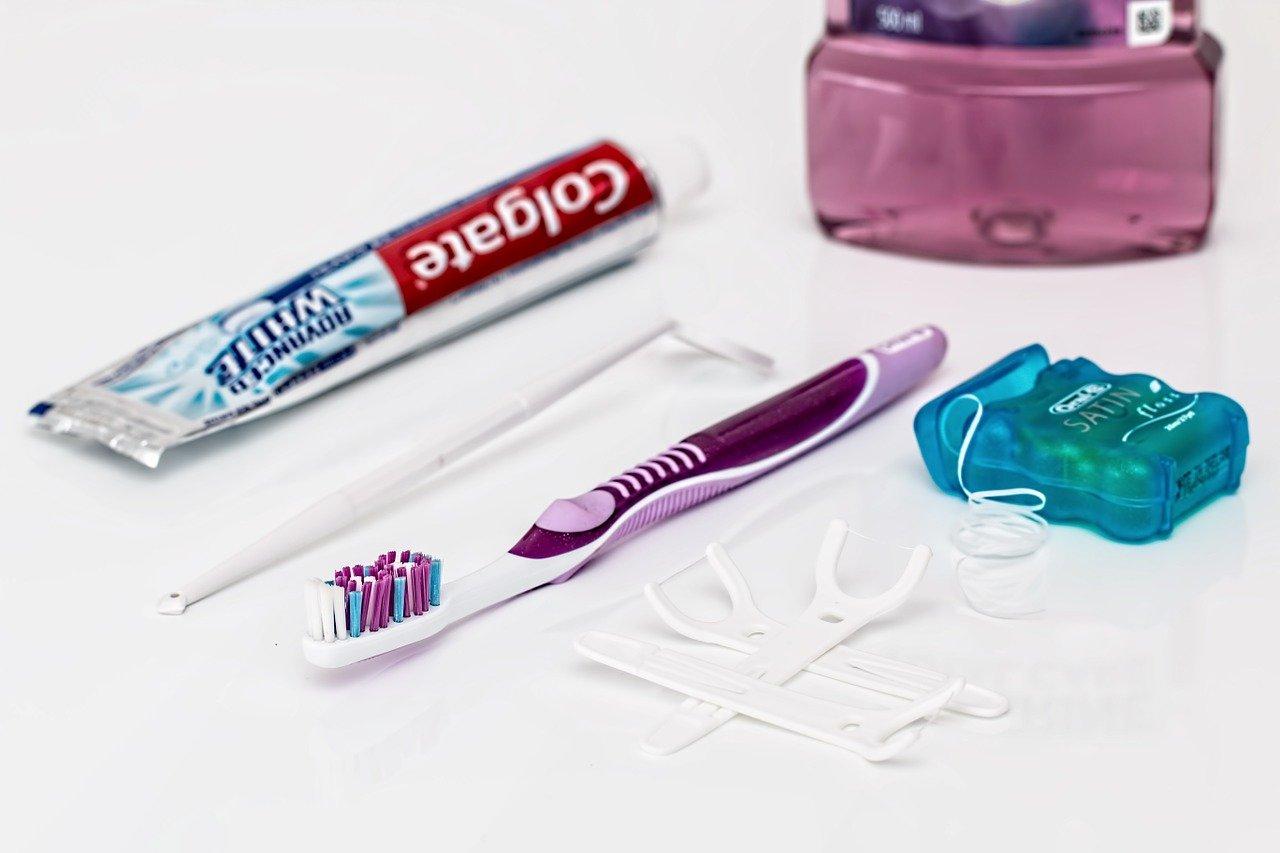
As you age you can start to experience problems with your dental health. Here are some good tips to help boost oral hygiene.
01. Arthritis or shoulder problems
If you suffer from mobility issues and find brushing your teeth difficult, an electric toothbrush can make all the difference as it does much of the work for you. But if you’d prefer to hang on to your old-fashioned toothbrush wrapping a washcloth around the handle to thicken it can help with dexterity.
02. Bleeding gums
Bleeding gums usually means a build up of plaque is inflaming the gum and inflammation can increase your risk of health issues including heart disease and Alzheimer’s. Try brushing twice a day for at least two minutes. Use floss and an antibacterial mouthwash after cleaning your teeth. If bleeding persists you should make an appointment to see your dentist or dental hygienist for a course of treatment.
03. Receding gums
Gums recede as we get older but it may be partly due to brushing too hard. “People might think their teeth feel dirty or they haven’t been to a dentist in a while, so they brush hard — which causes inflammation, and gums begin to recede,” explains Lisa Thompson, a dentist and program director of the geriatric dental fellowship at Harvard School of Dental Medicine. A soft-bristled toothbrush can help and try to imagine massaging rather than scrubbing gums.
04. Cavities
Almost one in five adults over the age of sixty-five has untreated tooth decay. The best treatment? Fluoride, as it’s consistently protected against tooth decay. Dentist Joseph M. Calabrese, clinical professor and director of geriatric dental medicine at Boston University, says that along with a fluoride toothpaste, he might also recommend a fluoride rinse or a high-concentration prescription fluoride paste, rinse or varnish, applied as directed by your dentist, for more staying power.
05. Sweet tooth
As we age we lose some of our 10,000 taste buds and begin to crave more intense flavours. Unfortunately, limiting your indulgence is the best course of action as the more times you expose teeth to sugar the more opportunities for bacteria feeding frenzy, advises dentist Judith Jones, spokesperson for the American Dental Association.
06. Dry mouth
Medications are the most common cause of dry mouth says Calabrese. Dry mouth can be more than just an annoyance as saliva plays an important role in reducing the risk of various tooth and gum diseases. Sipping water regularly throughout the day and chewing sugar-free gum can help remove excess food particles and aid the flow of saliva.
07. Bad breath
Add tongue scraping to your morning and night routine, suggests dentist Elisa Chavez, director of the Pacific Center for Equity in Oral Health Care at the University of the Pacific. Tongue scrapers remove the white layer of gunk harbouring the bacteria that causes bad breath. Chronic bad breath can also be a sign of a more serious issue, such as tooth decay so if the problem persists you should make an appointment to see your dentist.
Source: aarp.org
Dental products
We have a range of dental products that can help with oral hygiene in our online shop, including electric toothbrushes, fluoride rinses and tongue scrapers.