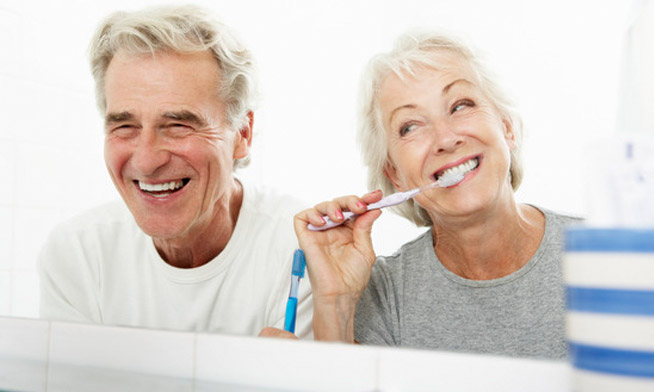
 Most people know that proper oral care is a must for good oral health and understand the need to choose the right dental care products, the importance of regularity when it comes to brushing, and the fact that dental care should include flossing, cleaning the tongue and swishing as well.
But usually not much importance is placed on the order that we do these things when in fact there is an optimal sequence that can help us improve our oral health. So what should be done first? Flossing? Brushing? Does it even matter? Well the answer does seem to be that yes, it can matter.
The optimal sequence is to first brush, then to clean the tongue, to floss and finally to swish. But why?
The reason why it is a good idea to start with brushing is simple. Your toothbrush will take most of the major food debris, bacteria and undesired plaque from the most accessible parts of your teeth but it won’t take it all. So you can take your oral care to another level by using a tongue scraper.
The reason why tongue scraping should be step number 2 is very simple: we simply want to do it before we start flossing. And if you are wondering why scraping a tongue is good practice you should try it for yourself to see how much undesired substances cover it. You will be surprised at the results. And tongue scrapers will give you a more intense feeling of cleanliness and keep your mouth healthier.
After you have managed to clean all the large surfaces in your mouth, you should look at what’s between your teeth – plaque that is hiding there is practically invisible yet harmful.
There are two major reasons why to floss after the visible parts of your teeth and tongue are clean. First of all, if you start with flossing before brushing the rest of your teeth, the plaque from the surface can be pushed back between them so you won’t get rid of it completely. Secondly, flossing is very important for your oral health so it’s not recommended to try and be done with it as soon as possible. Flossing doesn’t need to be done by the sink so you have more freedom to move around while managing other things – sitting and reading, watching television, etc. That way you won’t rush and can use your time more effectively.
And it is important to bear in mind that swishing is not a replacement for flossing or any other steps in your oral care routine and won’t help you to get rid of plaque in between your teeth. But it is good to finish with it as it can help to remove residues of plaque and debris freed during the previous steps. It also helps with bad breath and gives you a sense of freshness.
Perform these 4 steps regularly and in the right sequence and it will go a long way to improving your oral care.
Source: www.orawellness.com