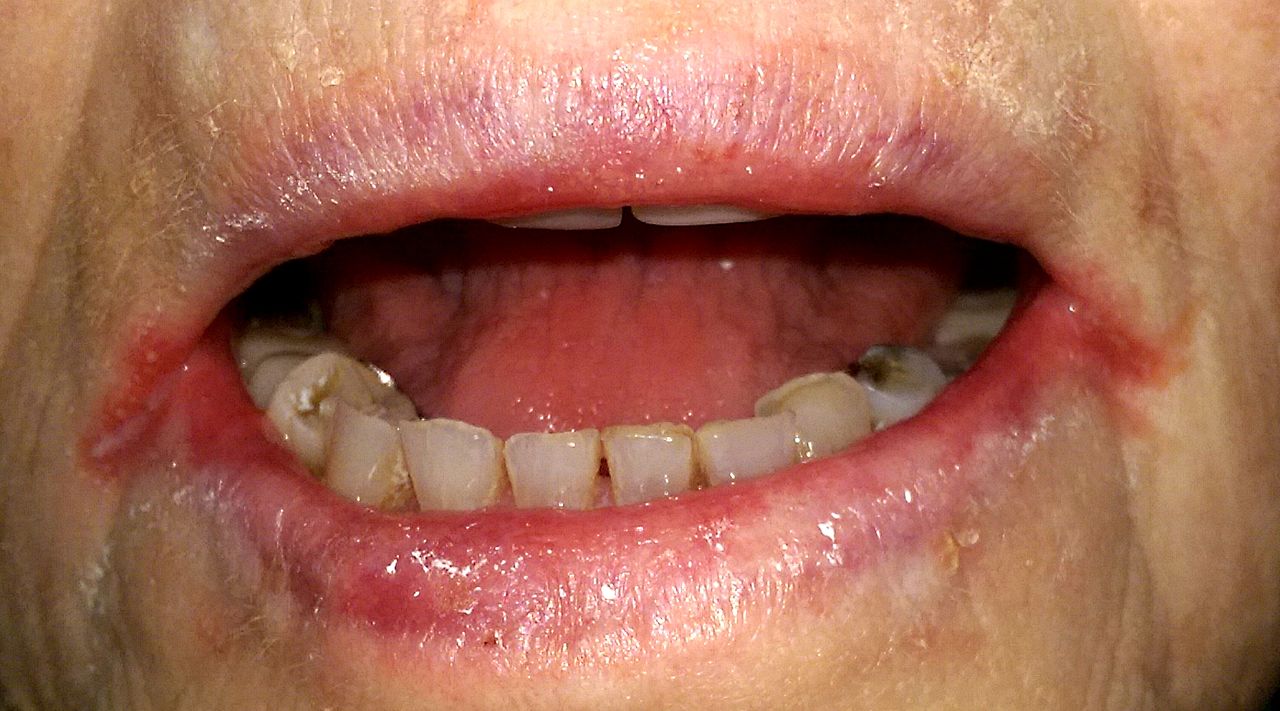
Angular Cheilitis is a common skin condition that causes the corners of the mouth to become cracked and dry. This in turn can cause bleeding, blisters, and itchy, scaly skin and an unpleasant taste in the mouth. You can learn more about this condition’s causes and the best ways to manage it from this guide.
Improving your diet will help
Sometimes, a lack of certain minerals, including zinc, iron, and vitamin B2, can result in Angular Cheilitis. Eating vegetables like spinach, soy beans, leafy greens, and lentils increase iron intake. Lamb and beef are also foods rich in iron. Brussel sprouts, asparagus, and green beans are rich in zinc. Cheese, beef, lamb, and oily fish like tuna and mackerel are high in vitamin B2. If you have difficulty including these items into your diet, you might want to consider taking a supplement.
Angular Cheilitis caused by infection
When saliva builds up in the corners of your mouth it can cause the skin to crack. Licking your lips to relieve itchy, cracked skin, risks spreading an infection. But there are many home treatments available. Honey is excellent to sooth cracked skin and has anti-bacterial properties which help fight infection. Simply massage a little into your mouth’s corners. Cucumber is also effective in reducing symptoms. Dehydration is another cause of Angular Cheilitis, so drink plenty of water. Rubbing petroleum jelly or cocoa butter on your lips can help skin to heal naturally.
Practise good oral hygiene
Poor oral hygiene can result in Angular Cheilitis, commonly caused by the Candida yeast fungal infection as well as several other strains of bacteria. Sometimes wearing braces or having poorly fitting dentures can also lead to Angular Cheilitis. Any pain or irritability in the mouth or surrounding area that results from this can be treated by your dentist.
Other causes of Angular Cheilitis
You are more likely to suffer if you smoke so it’s another strong reason to stop. You are also more likely to suffer from Angular Cheilitis if you have diabetes. This indicates that you have an excess of glucose in your blood, which can serve as a breeding ground for bacteria and fungus infections. Make sure you take insulin on a regular basis if you are insulin dependent. To stay healthy, make an effort to exercise frequently and eat sensibly. If you are more prone to developing Angular Cheilitis, prevention is the best course of action.
Source: dentalnews.com