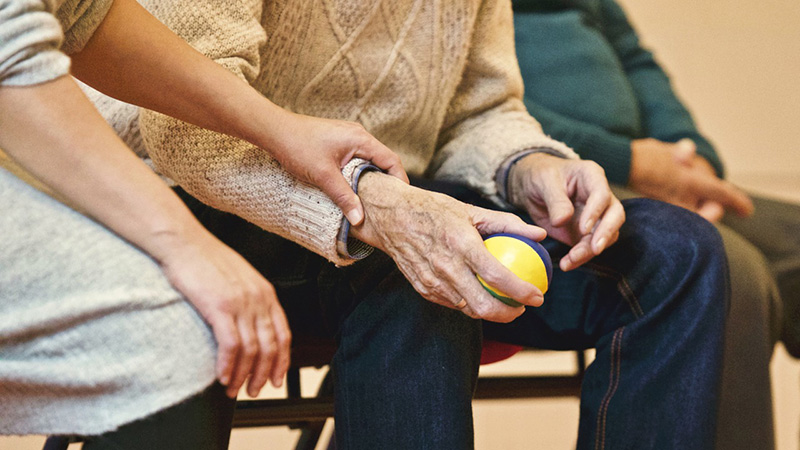
Photo by StockSnap from pixabay.com
Research has shown that elderly people with muscular weakness, sudden weight loss or impaired mobility are substantially more prone to issues with their oral health.
The report published in the Journal of Gerondontology, linked frailty to a number of consequences for oral health including the ability to bite and chew food, as well as sensitivity to hot and cold foods and drinks.
Experts have also been able to form a relationship between frailty and difficulties with speech, as well as the likelihood of taking medication for oral pain.
In the United Kingdom, more than five million people aged over 65 have significant health problems. Dr Nigel Carter OBE, Chief Executive of the Oral Health Foundation, believes the oral health of older people remains an ongoing issue.
Dr Carter says: “In the UK, people are living longer than ever before. This will increase the amount of poor health, frailty and disability. In turn, it will create a series of challenges for how we care for the population’s oral health.
“The first problems to occur are often because of a loss of dexterity. Limited mobility, no matter how small, can have an extremely large effect of our ability to care for our own health. In terms of oral health, this means effective toothbrushing becomes much harder. Balanced nutrition also becomes more difficult. This often leads to more frequent sugar consumption.
“Those with health problems are also more likely to be on medication. This makes unpleasant conditions like dry mouth far more common.”
The study examined a large number of hospitalised elderly patients over a six-month period. It reveals that frail adults are more likely to feel self-conscious about their teeth, gums or dentures. They are also unhappy with how their teeth look. It also confirms that frail adults access dental care less often.
The Oral Health Foundation is now calling for the government to take action and improve the provision of oral health care for older people.
“The availability of dentists needs to be urgently addressed,” adds Dr Carter.
“There are also major barriers with transporting elderly people to the dentist while financial difficulties often become more common. Worryingly, there is also a poor knowledge and a lack of awareness of oral health amongst carers.
“All of these factors create an urgent need to move towards a more effective system for oral health care of our elderly. Giving people access to dental services in hospitals, residential homes, as well as for those still living in their own homes is a real and viable option. Oral health training for carers also should take a greater priority.
“The government must find such proactive solutions if they are to address the health needs of an aging population. There must also be a greater funding commitment towards the NHS. If these actions fail to surface, the oral health of our elderly will suffer for generations to come.”
Source: Oral Health Foundation