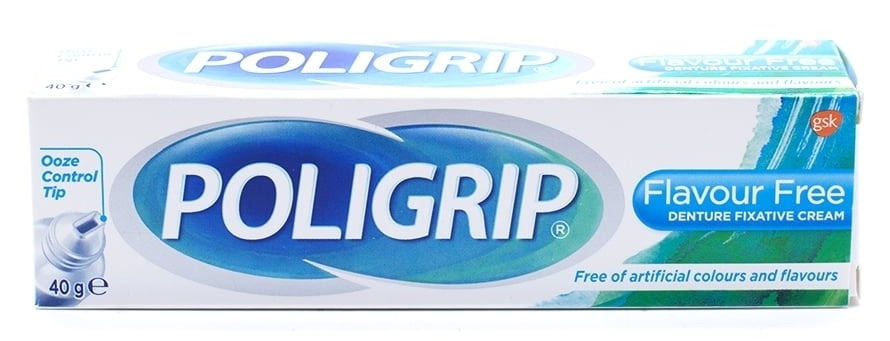
The Oral Health Foundation has published a new set of global science-based guidelines for denture adhesives designed to combat the current lack of guidance that exists for full denture wearers about the correct use of denture adhesives.
The research project reinforces the role denture adhesives (and fixatives) play in having ‘best-fitting’ dentures. Such benefits include better retention and stability, improved confidence and comfort and reduction or elimination of food debris beneath the denture.
The White Paper entitled ‘Guidelines for the Use of Denture Adhesives and their benefits for Oral and General Health’, has been developed by a global task force of academic experts.
The task force included experts from the Oral Health Foundation and King’s College London. There were also representatives from the USA, Greece, Japan and Switzerland.
The group formed to reflect the global need for advice for denture wearers given the ageing population around the world. By 2050, there is expected to be 2 billion people aged 60 years or older in the world – this represents 16% of the population and is triple the figure for this age group in 2010.1
The simple steps for application of a denture adhesive can be summarised as follows:
- Make sure your denture is clean and dry. Put a small amount of denture adhesive cream onto it. (You should only need to do this once a day)
- Put the denture into your mouth and firmly close the mouth for a couple of seconds. If the adhesive cream overflows you have used too much. Remove any spare adhesive, don’t swallow it. Don’t eat or drink anything for 5 minutes.
- Before you sleep, take your denture out. Clean the denture and the inside of your mouth thoroughly to remove any adhesive.
- Ask your dentist for a regular appointment so they can check your mouth and dentures.
The guidelines have been sponsored by GlaxoSmithKline Consumer Healthcare and were announced as part of the International Association for Dental Research (IADR) 2019 meeting in Vancouver, Canada.
Source: www.dentalhealth.org