In the olden days, people used various methods to clean their teeth before modern dental hygiene practices were established. Here are some of the techniques employed throughout history.
01. Ancient civilizations
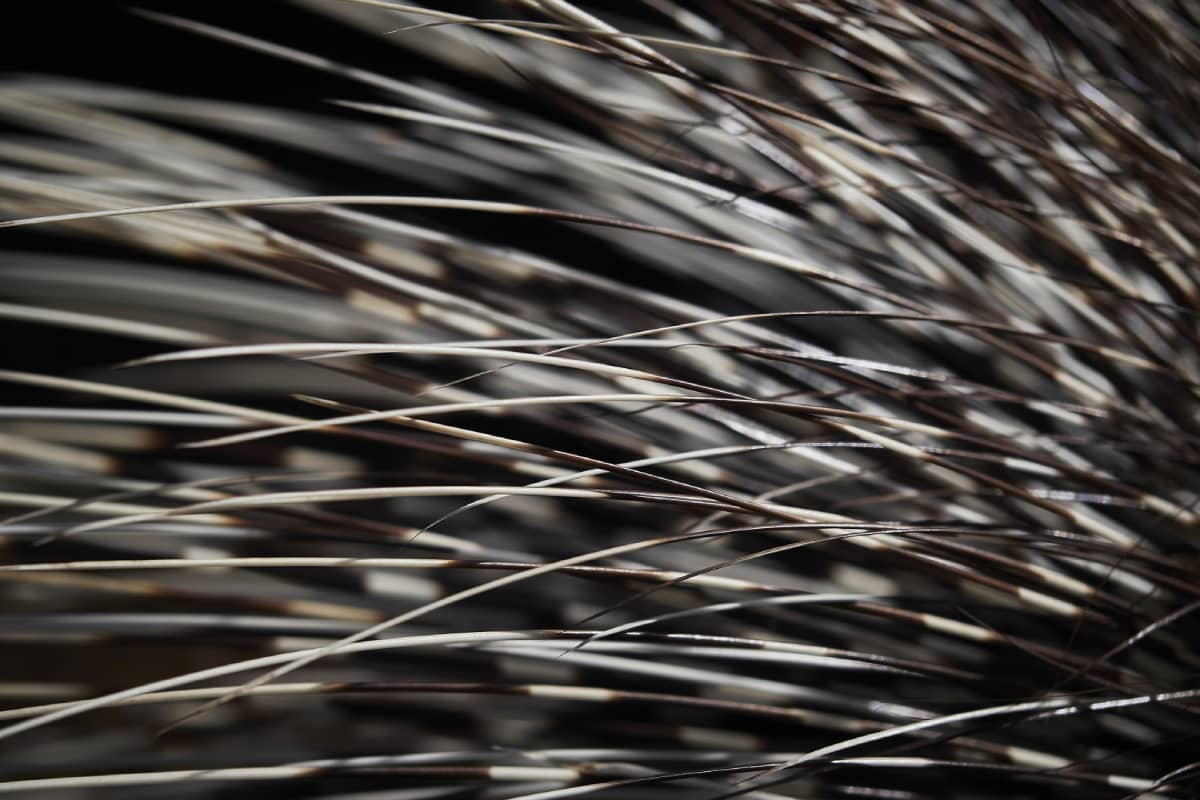
In ancient times, people used a variety of methods to clean their teeth. These included chewing on bark or sticks with frayed ends, feathers, fish bones, and even porcupine quills. They also used toothpicks made from materials like silver, jade, or gold. The Chinese during the Tang Dynasty (618-907 A.D.) are credited with inventing the toothbrush with bristles made from boar’s hair.
02. Miswak
People in the Arabian Peninsula, North Africa, and the Indian subcontinent traditionally used miswak, which is a chew stick made from the Salvadora persica tree. Miswak has antimicrobial properties and physically cleans the teeth.
03. Rags and soot
Europeans used rags rolled in salt or soot to remove debris and stains from their teeth.
04. Toothpicks and sponges
In the early 1700s, a French doctor named Pierre Fauchard, considered the father of modern dentistry, advised against brushing and instead recommended cleaning teeth with a toothpick or sponge soaked in water or brandy.
05. Early toothbrushes
William Addis, an Englishman, is credited with inventing the modern toothbrush. In the late 18th century, while he was in jail for inciting a riot, Addis carved a bone handle, drilled holes into it, and inserted boar bristles held in place by wire. After leaving prison, he started mass-producing his toothbrush invention and became a wealthy man.
This early design of the toothbrush laid the foundation for further advancements, such as the development of toothbrushes with nylon fibers by the DuPont company in 1938.
06. Tooth powders
Before the invention of modern toothpaste, pharmacists mixed and sold tooth cream or powder. These early tooth powders were made from abrasive substances like talc or crushed seashells, combined with essential oils such as eucalyptus or camphor, which were believed to have germ-fighting properties.
The powders also contained flavors derived from oils of cinnamon, clove, rose, or peppermint. Some formulations included additional chemicals like ammonia, chlorophyll, and penicillin to combat acid-producing bacteria that contribute to tooth decay and bad breath.
Sources: theconversation.com/how-did-people-clean-their-teeth-in-the-olden-days-119588, history.com/news/dental-care-teeth-cleaning-through-history, good.is/articles/people-cleaning-teeth-olden-days