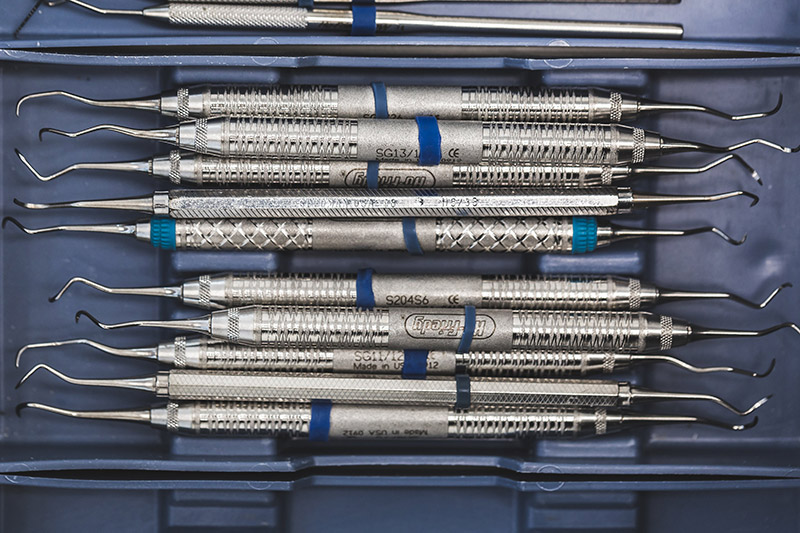
Photo by Matthew Henry at burst.shopify.com
There are several different factors that can cause gums to recede, including:
Periodontal disease
This refers to the infection and inflammation of the gums and other structures in the mouth. Factors that may cause or contribute to it include: poor oral hygiene, crooked teeth, damaged or faulty fillings, bridges or partial dentures that no longer fit, a genetic predisposition, hormonal changes due to pregnancy or oral contraceptives, medications that cause dry mouth, certain immune disorders, stress and smoking.
Forceful or incorrect brushing
Regular brushing is essential for maintaining good oral hygiene. However, using an incorrect brushing technique could actually contribute to receding gum, factors include: applying too much pressure, using a hard or medium bristled toothbrush, brushing the teeth in a broad and horizontal motion.
Teeth grinding and clenching
Some people grind their top and bottom teeth together while sleeping. The motion of teeth grinding puts intense pressure on the gums, which can cause them to recede over time.
Injury
Sustaining direct trauma to the gum tissue may cause the gums to recede in that area. Such injuries may occur in the following contexts: during a fall or other accident, during dental procedures, while wearing ill fitting partial dentures.
Treatment
The treatment for receding gums depends on the underlying cause. The following treatments can help reattach or restore gum tissue around the teeth:
Scaling and root planing
Scaling and root planing are some of the first treatments for receding gums that a dentist may recommend. These procedures remove plaque and tartar from below the gumline, where regular brushing cannot reach. Root planing removes plaque and tartar specifically from the roots of teeth. Afterward, a dentist will use special instruments to smooth the roots, which helps the gums reattach to the tooth.
Gum graft surgery
A dentist may recommend gum graft surgery (GGS) if a person’s gums have severely receded. During GGS, a surgeon will take a small piece of gum tissue from elsewhere in the mouth and use it to cover the exposed tooth roots. GGS helps prevent bone loss and the gums from receding farther. It can also protect the previously exposed tooth roots from decay.
Pinhole surgical technique
Pinhole surgical technique (PST) is a relatively new treatment for mild to moderate receding gums. PST is a minimally invasive procedure that involves making a tiny hole in the gum tissue above the exposed tooth root. A dentist will insert a special tool into the hole to separate the gum from the tooth, then they will stretch and reposition the gum back over the exposed tooth root.
Prevention
Practice good oral hygiene
The following oral hygiene tips can help: floss between the teeth at least once per day, use a fluoride toothpaste, brush the teeth twice per day using a soft bristled toothbrush, use an antiseptic mouthwash to reduce bacteria and flush out debris, replace toothbrushes at least every 2–4 months, attend regular dental appointments.
Mouthguards
Wearing a mouthguard at night can help prevent gum recession due to teeth grinding. Mouthguards create an even pressure across the jaw and act as a physical barrier to separate the top and bottom teeth.
Replace ill fitting dentures
A dentist can advise about the best treatment for gum recession. Partial dentures that were once a good fit can become incompatible with the mouth over time. This can happen for several reasons, including: bone and gum ridges shrinking over time, differences in jaw alignment, general wear and tear of the partial dentures. Ill fitting partial dentures can rub and irritate the gums, causing the gums to recede around healthy teeth. People can prevent this by replacing partial dentures as needed.
Visit the dentist regularly
Attending regular dental checkups is vital for detecting the early stages of gum recession. Checkups also enable the dentist to identify and replace any faulty fillings or ill fitting partial dentures, which can contribute to receding gums.
Source: www.medicalnewstoday.com