When we talk about fruit, the thing that normally comes to mind is the beneficial effect on our health. Most of us enjoy eating fruit as a sweet, juicy, refreshing snack especially during hot summer days. However, some fruits have a high acid content and that means it can also be harmful to our tooth enamel. The condition caused by acid attacks is called dental erosion and it may cause tooth sensitivity and discomfort. You can still enjoy and benefit from a variety of fruits if you know which of them have the highest content of acids and which pose the biggest threat to your enamel.
The acidity of food is measured according to its pH value. The borderline between acidic and alkaline is 7. So all foods with pH value below 7 are considered acidic, whereas all foods with pH value above 7 are considered alkaline. So we’ve listed the 13 most acidic fruits and their pH:
- Lemon Juice (2.00 – 2.60)
- Limes (2.00 – 2.80)
- Cranberry Juice (2.30 – 2.52)
- Blue Plums (2.80 – 3.40)
- Grapes (2.90 – 3.82)
- Pomegranates (2.93 – 3.20)
- Grapefruits (3.00 – 3.75)
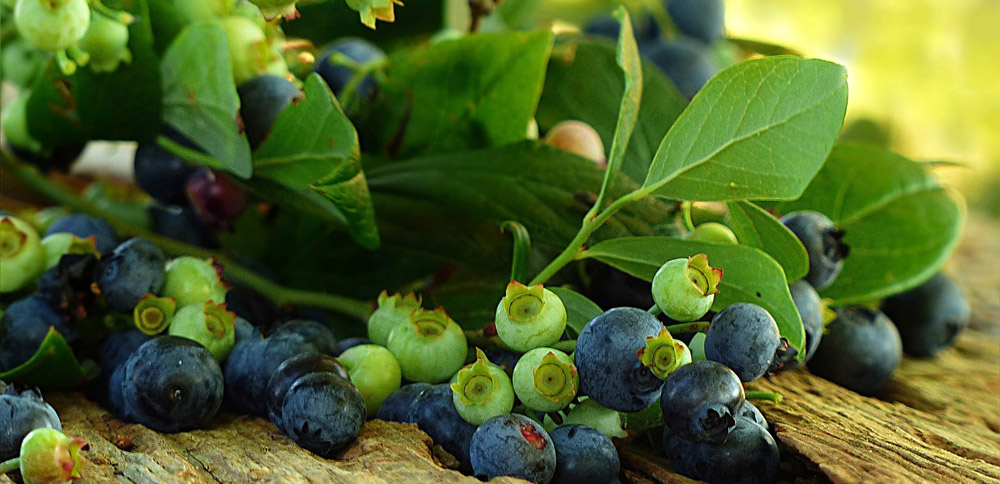
- Blueberries (3.12 – 3.33)
- Pineapples (3.20 – 4.00)
- Apples (3.33 – 4.00)
- Peaches (3.30 – 4.05)
- Mangos (3.40 – 4.80)
- Oranges (3.69 – 4.34)
And it’s worth noting that not only fresh fruit is acidic. Frozen fruits, juices, jellies, jams, canned fruit, or even wine are still acidic in nature.
What is dental erosion and how to prevent it?
Erosion is basically the loss of tooth enamel caused by acid attacks. Once the enamel is worn, the sensitive dentine is exposed to external influences causing pain and dental sensitivity. So can it be prevented? The obvious answer is to try and avoid the most acidic foods (mentioned above) and fizzy carbonated drinks, but you can also follow these tips to keep your teeth safe:
- Drink quickly – reducing the time when the acidic drink is in contact with your enamel is essential. Do not swish or hold the drink in your mouth. Using a straw might be a good idea too (it will help the liquid to go to the back of your mouth without causing harm to your teeth).
- Chewing gum – chew a sugarfree chewing gum after meals. Chewing gums help to produce more saliva which reduces the negative effects of acids.
- Milk and cheese – finish your meal with cheese or milk. It helps to cancel out the acids
- Brushing – do not brush your teeth immediately after you ate or drank something acidic. Rinse your mouth with water and wait at least one hour to give your teeth time to build their mineral content again. And of course brush your teeth last thing at night. Use a small-headed toothbrush with soft bristles and fluoridated toothpaste.
One last thing to mention: while acidic fruits may cause dental erosion they are also an amazing source of vitamin C and other beneficial substances. If you have sensitive teeth, there are always less acidic alternatives rich in vitamin C such as cantaloupe, honeydew melon, watermelon or bananas.