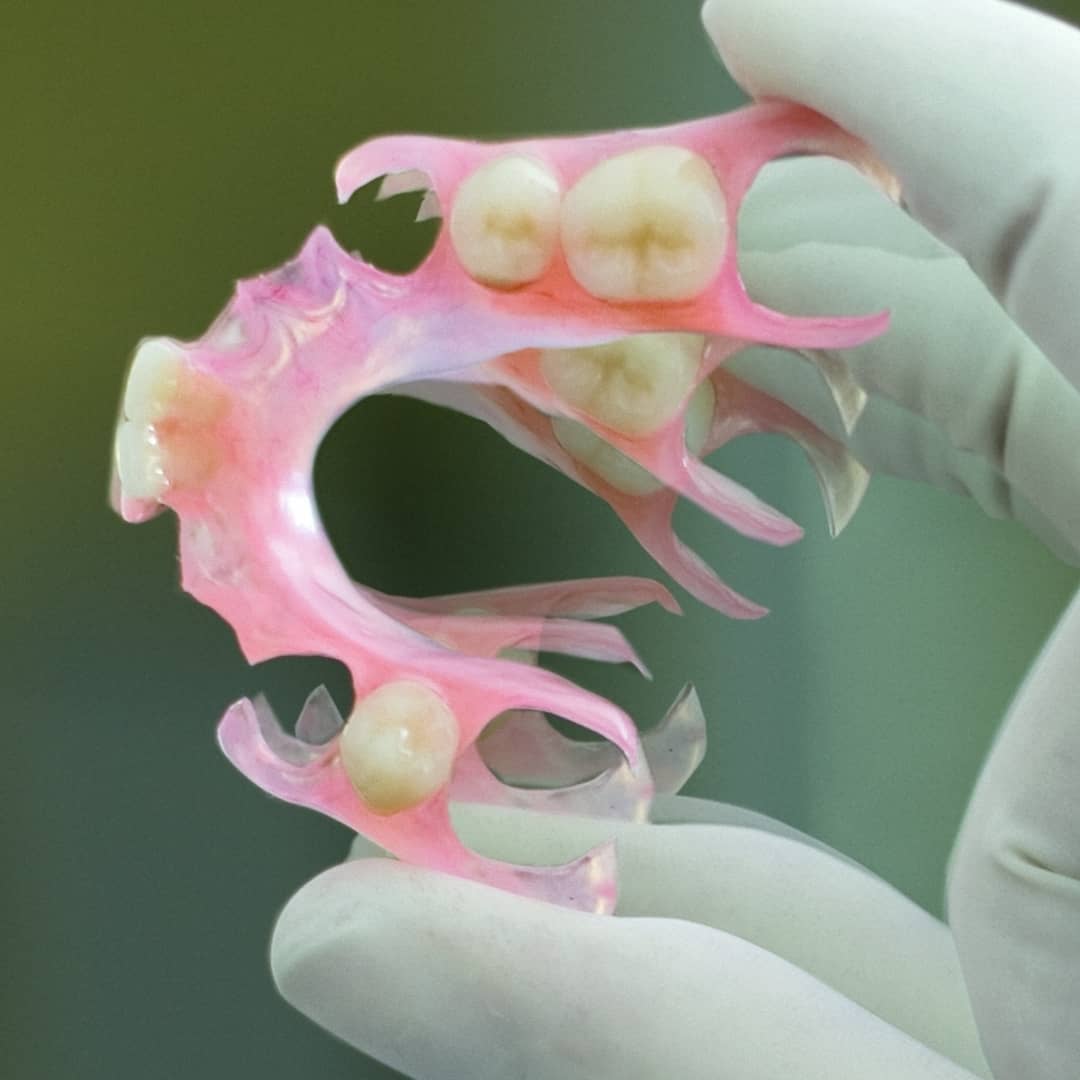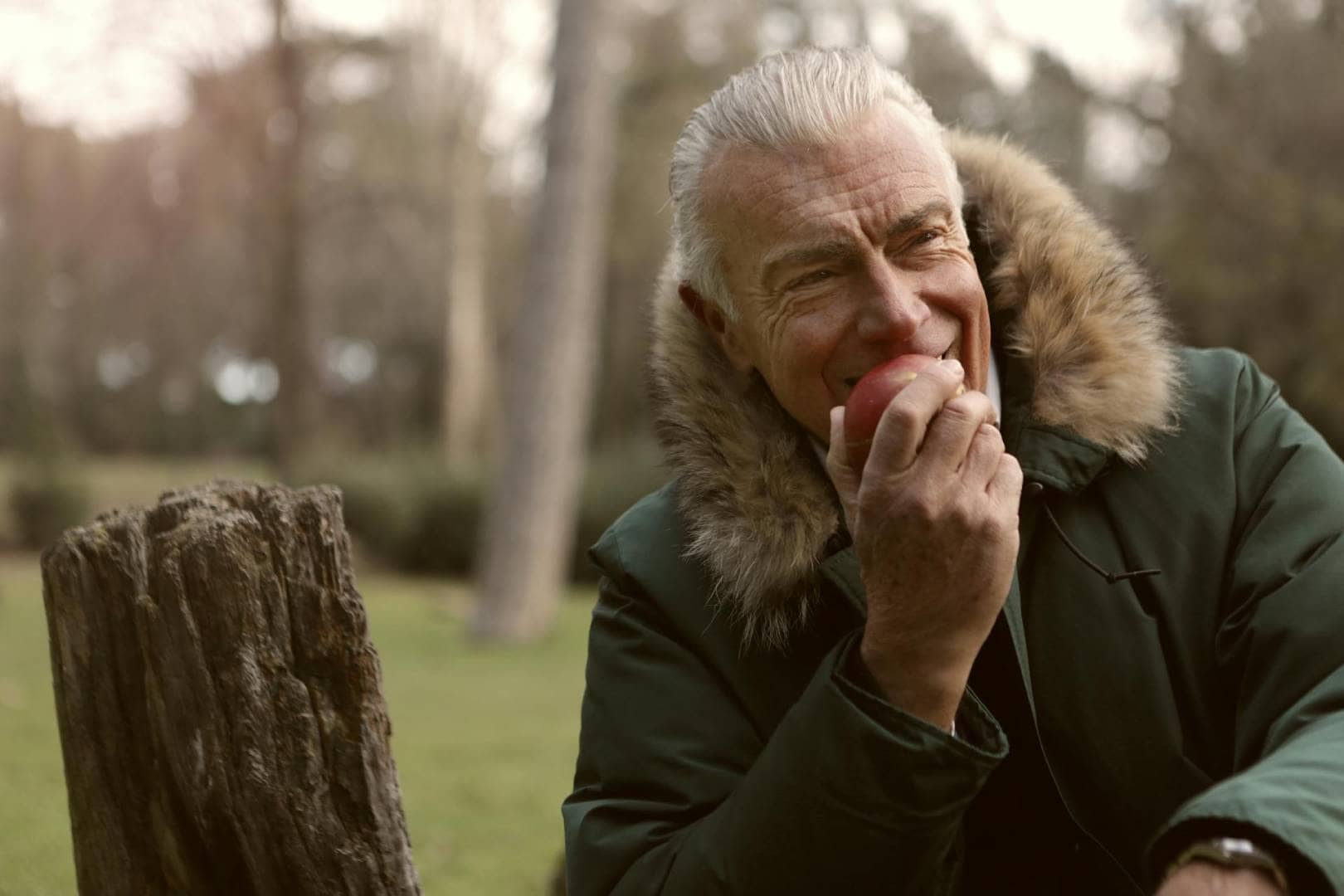
Falls are a leading cause of injury among older adults, especially those living with dementia. Now research has suggested that something as simple as having natural or prosthetic teeth may help keep people steady on their feet.
The Surprising Link Between Teeth and Balance
A Japanese study in a dementia care hospital found that patients with either their own teeth or well-fitted dentures fell far less often than those who had neither.
Researchers believe that when the upper and lower teeth make contact, it helps the brain receive important sensory feedback, supporting balance and postural reflexes.
Supporting Evidence
This isn’t an isolated finding. Other large studies echo the connection. In Japan, older adults with nineteen or fewer teeth and no dentures were two and a half times more likely to fall than those with twenty teeth or more. Wearing dentures erased most of that added risk.
Similarly, a Malaysian dementia study found that having natural teeth lowered fall odds by about 40%, while wearing dentures lowered them by roughly 34% compared with people missing all their teeth.
Tooth loss without replacement reduces bite force and changes how the jaw muscles sense movement – subtle shifts that can affect balance.
What This Means for Older Adults
Maintaining a full bite with natural teeth or well-fitted dentures can do more than restore a smile. It can aid nutrition, preserve muscle strength, and now appears to support stability.
Practical tips:
- Regular dental visits to check fit and comfort of dentures.
- Prompt replacement or adjustment if dentures become loose.
- Daily cleaning to keep gums healthy and dentures usable.
Keep Smiling, Keep Steady
While most of these studies are observational, there is a pattern consistent enough that many geriatric specialists now view oral health as part of fall-prevention planning.