Did you know that missing teeth can change the way your tongue behaves? Normally, the tongue and teeth work together to move food around the mouth while you chew. But when teeth are missing, the tongue has to take on more of the workload, pushing food into position and compensating for the lost chewing surfaces.
Because the tongue is made up of muscles, this extra activity can make it feel bigger or more dominant in the mouth. In some people, it may even become more muscular and active, changing its natural posture. This can cause challenges when fitting a denture, as a more active or enlarged tongue may interfere with impressions and later compromise denture stability, making dentures feel less secure during eating or speaking.
Even if you already wear full dentures, you may experience a similar problem if you don’t consistently wear both your upper and lower sets when chewing. Relying on just one denture places extra strain on the tongue, something worth keeping in mind at meal times.
The Bigger Picture
Missing teeth don’t just affect the tongue. They can also make chewing less efficient which impacts digestion, cause speech changes, and even lead to shifting of the remaining teeth which can throw off the bite, making chewing uneven and sometimes painful. And that extra strain on remaining teeth can increase wear and tear and the risk of further tooth loss.
Valplast Flexible Partials
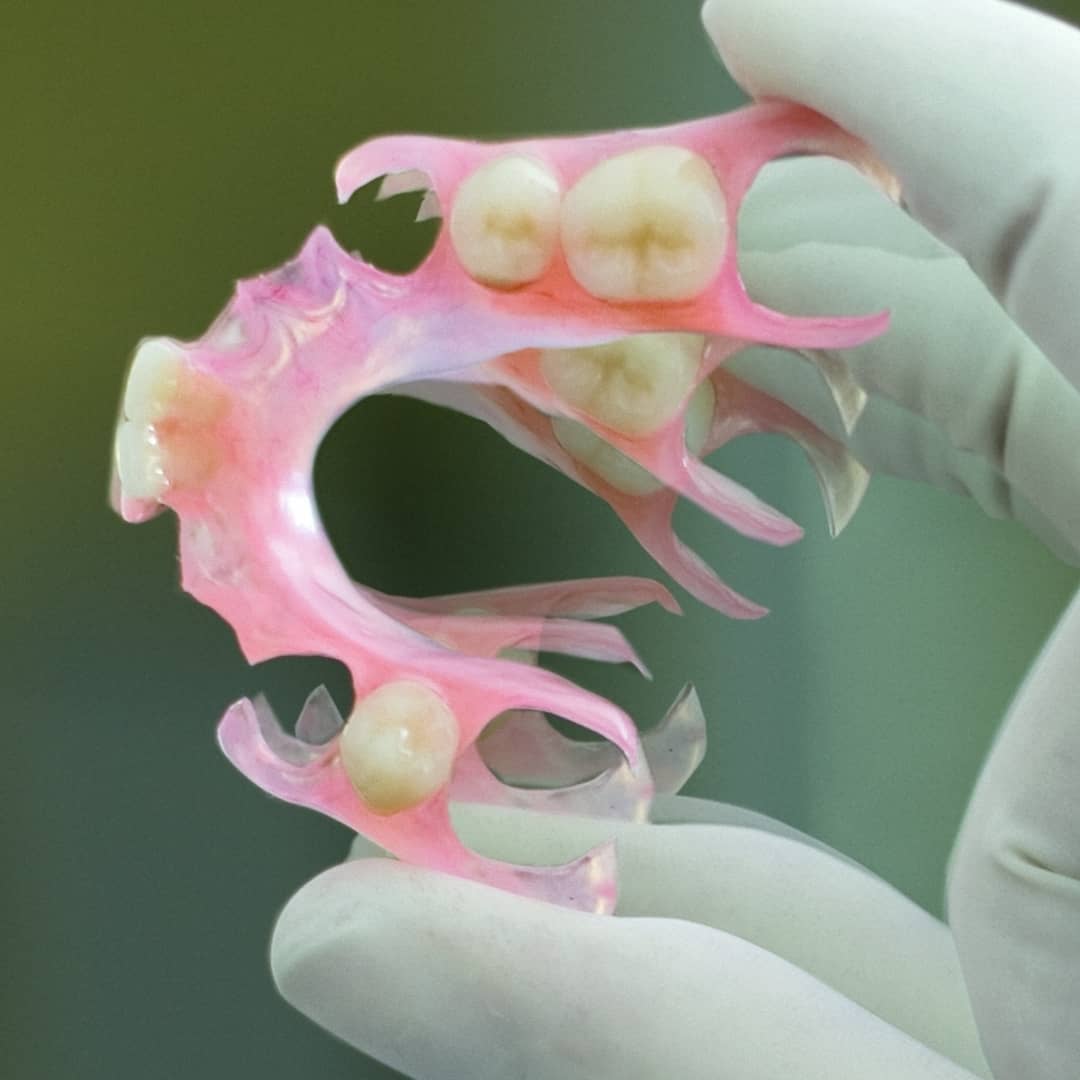
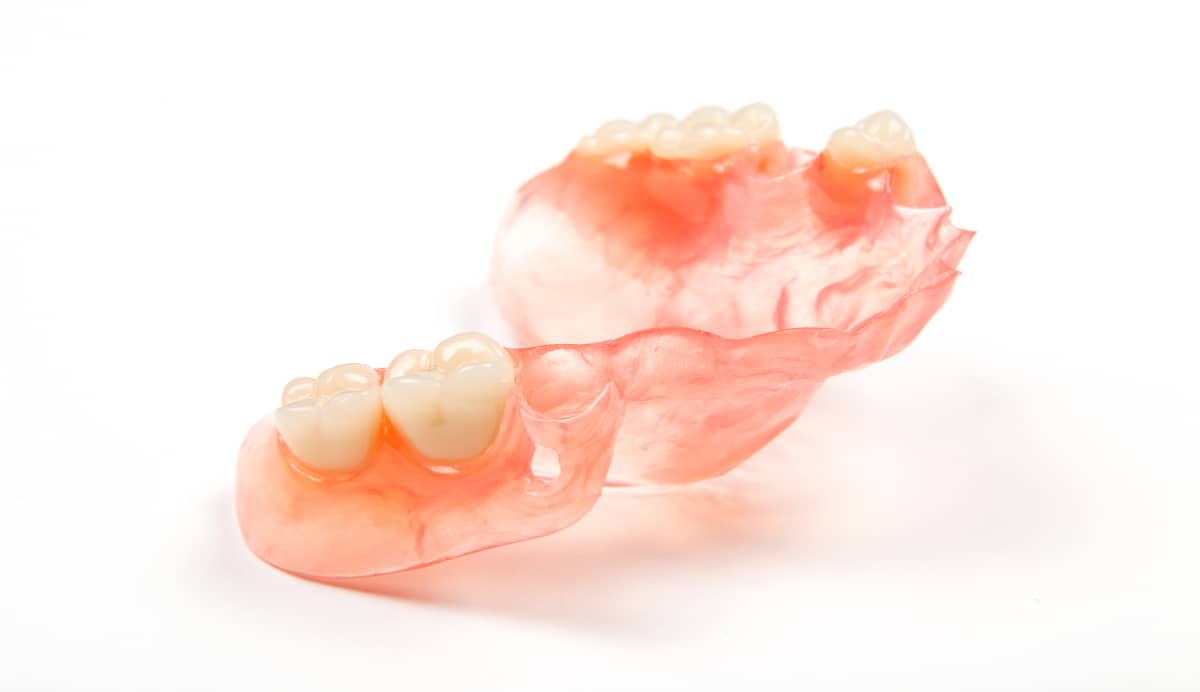
The good news is that there are modern solutions. Valplast flexible partials are a comfortable and innovative way to replace missing teeth. Made from a lightweight, flexible resin, they adapt to the natural shape of your mouth and provide excellent stability without the bulk of traditional acrylic dentures. Valplast is ideal for partial dentures and even unilateral restorations, providing strength, comfort, and a natural look.
Join the Conversation
Have you noticed changes in your tongue or the way you chew since losing a tooth or wearing dentures? Leave a comment below.