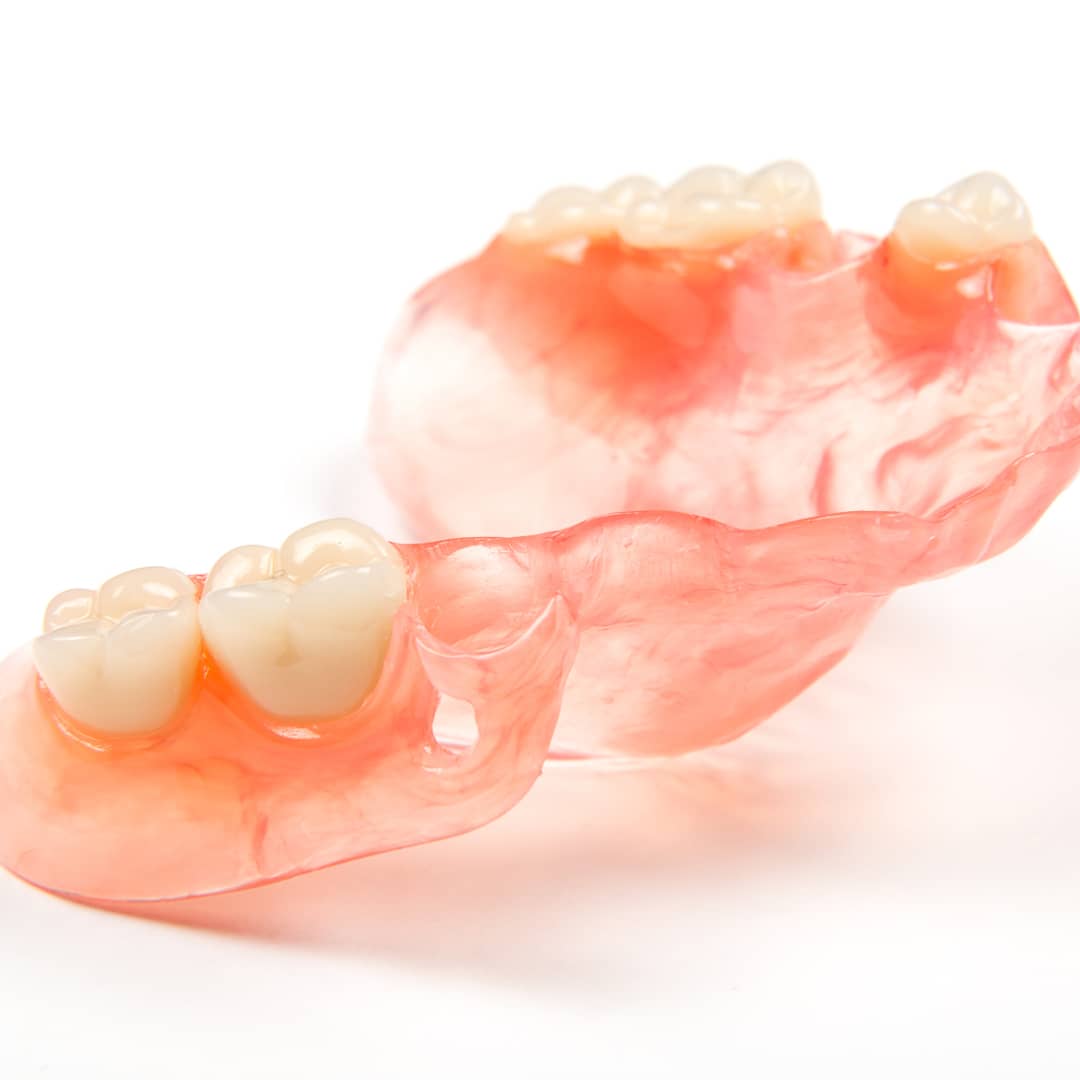
Burning Mouth Syndrome (BMS) is a persistent and often frustrating condition that causes a burning or scalding sensation in the mouth. For many people, it feels like drinking hot tea that never cools down. While it can affect anyone, research has shown that it is more common in people who wear dentures, particularly those who are older or post-menopausal.
How Dentures Can Contribute to Burning Mouth Syndrome
Poorly fitting dentures are one of the most common denture-related causes of BMS. When dentures do not sit correctly, they can rub against the delicate tissues of the mouth, leading to irritation and inflammation. This constant irritation can trigger burning sensations, especially if the dentures are worn for long periods without giving the mouth time to rest.
Another common factor is an allergic reaction or sensitivity to the materials used in dentures, such as acrylic resin or certain metals. In these cases, the burning sensation may appear shortly after getting new dentures or after an adjustment to the existing set.
Oral thrush, a yeast infection caused by Candida overgrowth, is also more common in denture wearers and can produce burning sensations. If dentures are not cleaned thoroughly or are worn overnight, the warm and moist environment can encourage fungal growth, leading to discomfort.
Managing and Preventing Burning Mouth Syndrome with Dentures
If you experience burning sensations in your mouth while wearing dentures, the first step is to have your dentures checked by your dentist. A professional fit adjustment can often reduce irritation significantly. It is also important to clean your dentures thoroughly every day and to remove them at night to allow the oral tissues to recover.
If an allergic reaction is suspected, your dentist can test for sensitivities and suggest alternative materials. For those with oral thrush, antifungal treatments can be prescribed alongside better denture hygiene practices.
In cases where BMS is linked to dry mouth, increasing hydration, avoiding alcohol-based mouthwashes, and using saliva substitutes can help reduce symptoms.
When to Seek Professional Help
Burning sensations in the mouth should not be ignored, especially if they persist or worsen. Your dentist or doctor can determine whether the discomfort is caused by ill-fitting dentures, an infection, or another underlying health issue. Early diagnosis and targeted treatment can prevent long-term discomfort and improve your quality of life.
Join the Conversation
Have you ever experienced a burning sensation while wearing dentures? Share your story or tips in the comments below – your insight could help others find relief.