Have you ever heard of oil pulling and wondered if there’s any truth behind it? This ancient Ayurvedic practice has found its way into TikTok and Instagram, with claims that it whitens teeth, freshens breath, and even removes toxins from your body. But what does the science say?
What is oil pulling?
Oil pulling involves swishing a tablespoon of oil (typically coconut, sesame, or olive oil) in your mouth for 10 to 20 minutes – ideally on an empty stomach. The goal is to pull bacteria, food particles, and other debris out from between your teeth and gums. After swishing, you spit out the oil, rinse with warm water, and brush as usual.
What WebMD says about oil pulling
According to WebMD, one of the most trusted medical sources online, oil pulling may help reduce bacteria in the mouth – particularly Streptococcus mutans, a key player in plaque and cavities. Some small studies have suggested oil pulling might reduce plaque buildup, lessen gingivitis (gum inflammation) and improve bad breath.
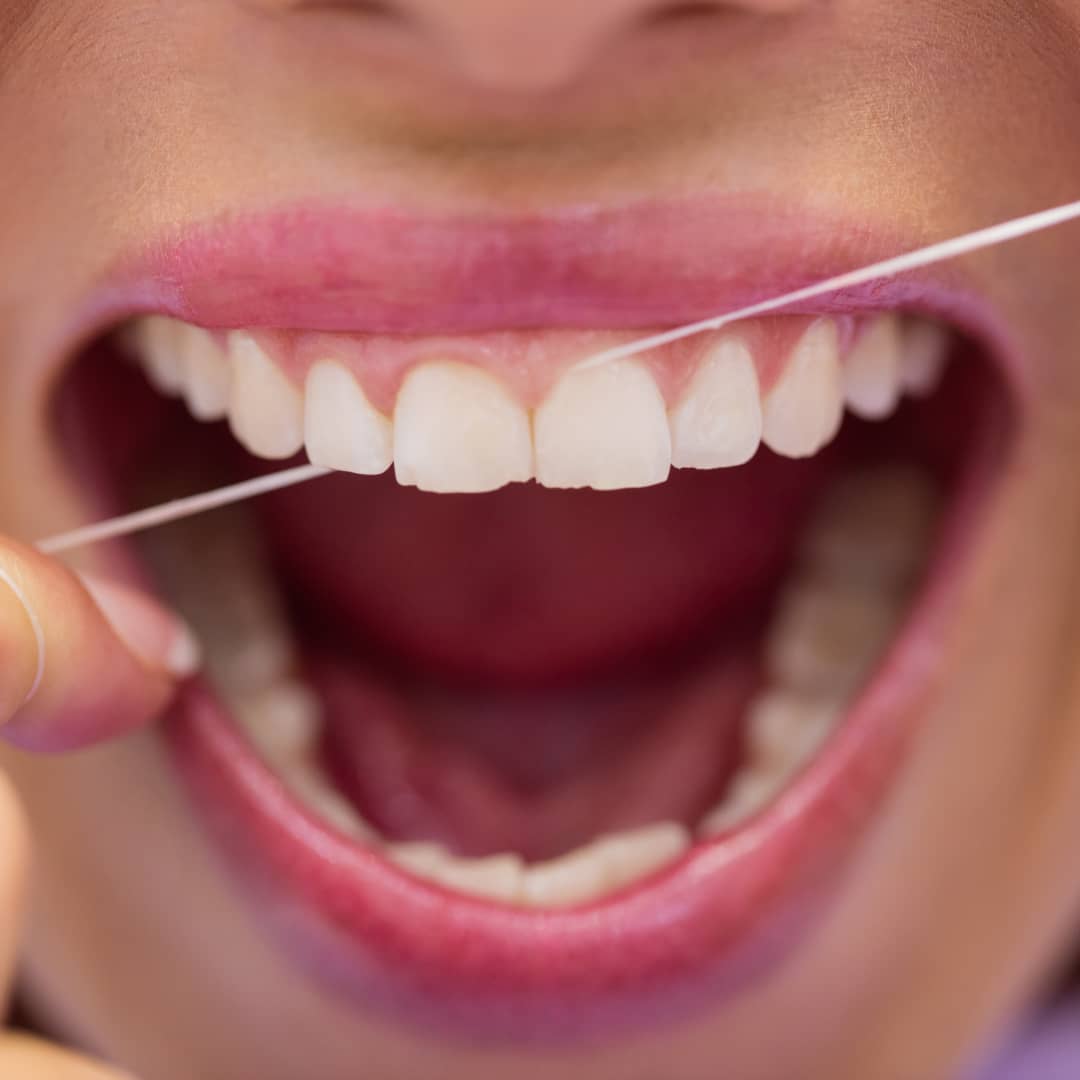
But WebMD is clear that oil pulling should never replace brushing, flossing, or regular dental care. It can be a helpful addition, but not a substitute.
Why coconut oil?
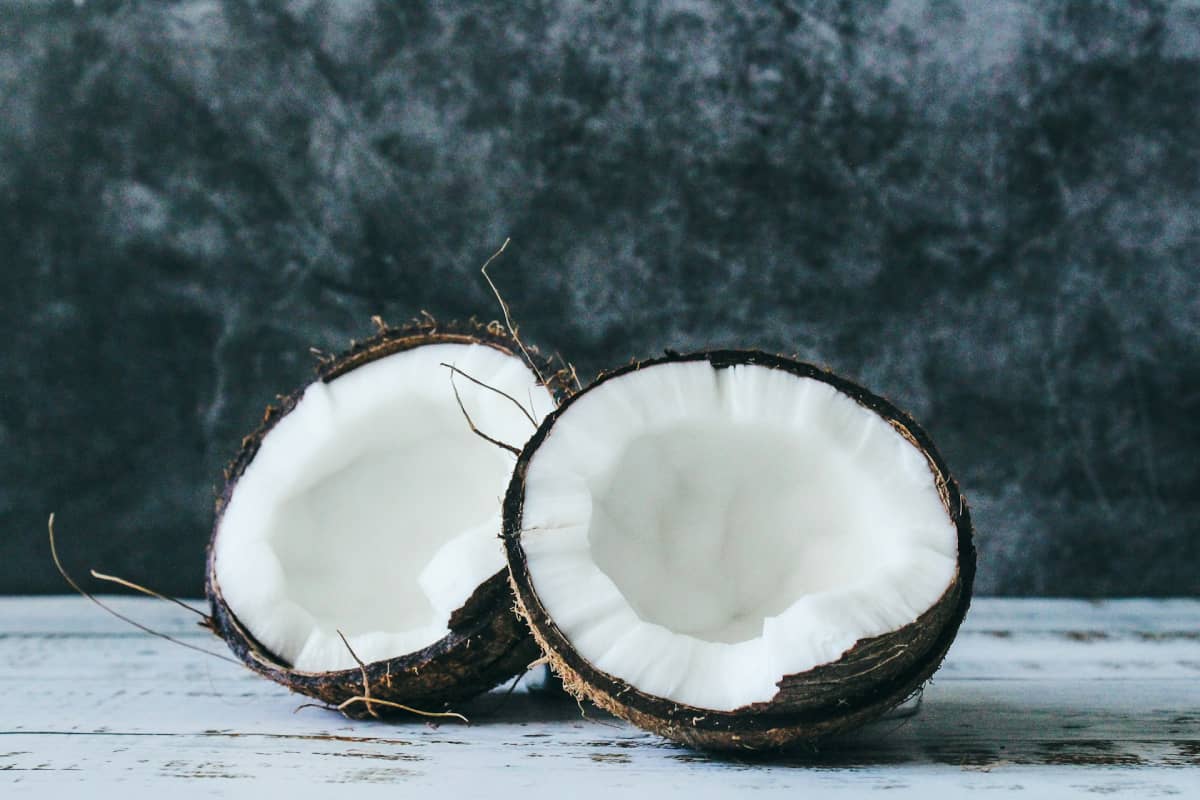
Coconut oil is especially popular due to its high levels of lauric acid, a fatty acid known for its antimicrobial properties. It’s also milder in taste compared to other oils, making it easier for beginners to use.
What are the risks?
Generally, oil pulling is safe, but you shouldn’t swallow the oil as it may contain bacteria and toxins pulled from your mouth. And you shouldn’t spit it down the sink, coconut oil solidifies and can clog pipes. There are also rare cases of lipid pneumonia if oil is accidentally inhaled, especially in people with swallowing difficulties.
Should you try it?
There is little harm in giving it a go. Here’s how to do it safely:
- Use 1 tablespoon of coconut, sesame, or olive oil
- Swish gently in your mouth for 10–20 minutes
- Afterwards, spit it into a bin (not the sink)
- Rinse your mouth with warm water
- Brush your teeth as normal
Do it once a day, ideally in the morning before eating.
Conclusion
Oil pulling isn’t a miracle cure, but it might offer mild benefits for your oral health if used consistently and alongside good brushing and flossing habits.
Join the conversation
Have you tried oil pulling? Share your experience in the comments, or let us know what natural remedy you’d like us to explore next.