Scientists have developed a LED tool that detects and measures specific chemical changes that lead to dental cavities.
The device measures fluorescence with a chemical dye applied to the teeth and based on the light reaction produces a numerical reading of the pH, or acidity, of the plaque covering those teeth.
Researchers say this measurement can tell dentists which area of a tooth is most at risk of developing a cavity.
“Plaque has a lot of bacteria that produce acid when they interact with the sugar in our food,” Manuja Sharma, the study’s lead author and doctoral student at the University of Washington in the US, said in a statement.
“This acid is what causes the corrosion of the tooth surface and eventually cavities. So, if we can capture information about the acidic activity, we can get an idea of how bacteria are growing in the dental biofilm, or plaque,” Ms Sharma explained.
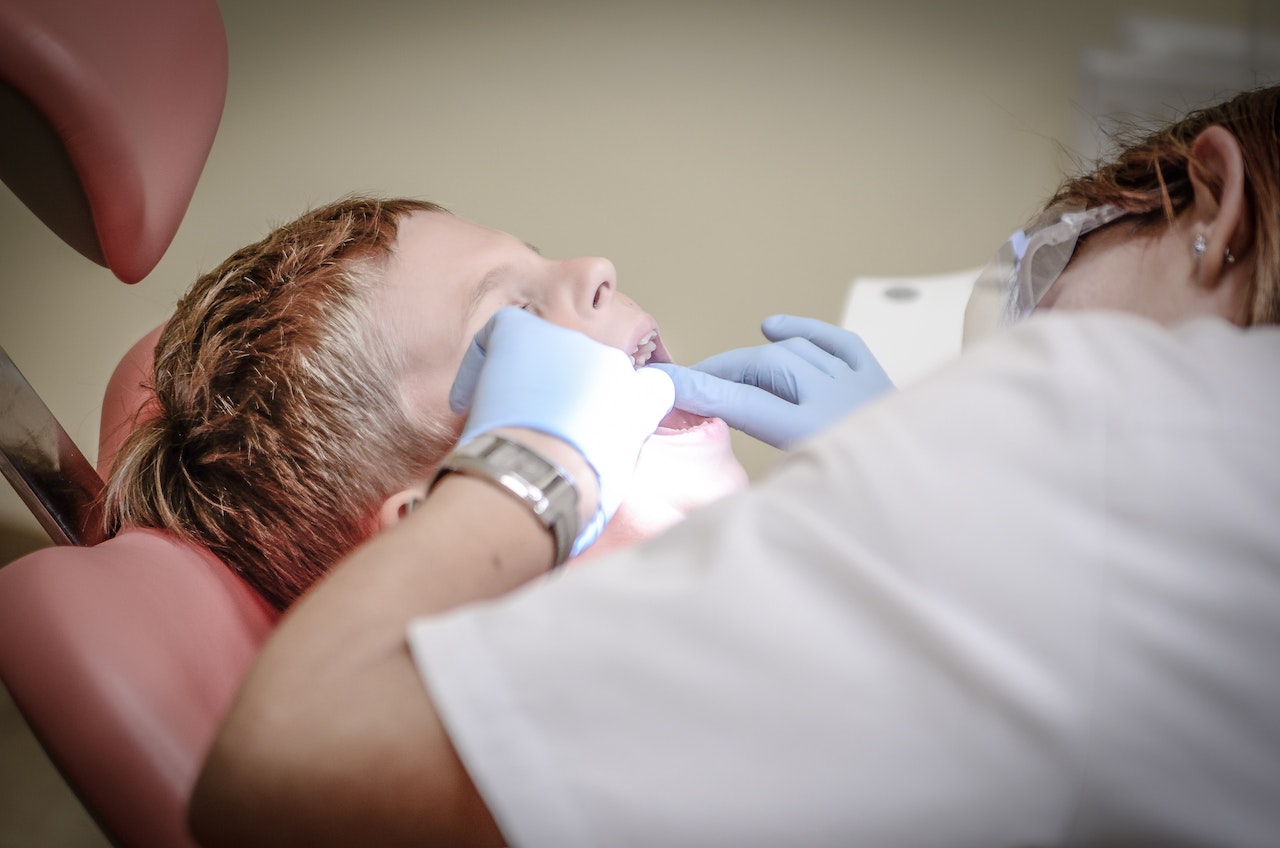
The scientists tested the LED tool on 30 patients between the ages of 10 and 18. Children and teenagers were chosen since the natural outer coating of enamel on their teeth is much thinner than that of adults, making it even more important for them to get an early warning of acid erosion.
Researchers applied the dye to their teeth and at the end of a length of cord attached a probe that transmitted and collected light while hovering over the surface of a tooth. The light travelled back to a central box that provided a pH reading that revealed the conditions on the patients’ teeth.
They repeated the test several times before and after sugar rinses and other condition changes such as pre- and post-professional dental cleaning.
“We do need more results to show how effective it is for diagnosis, but it can definitely help us understand some of your oral health quantitatively,” Ms Sharma said.
“It can also help educate patients about the effects of sugar on the chemistry of plaque. We can show them, live, what happens, and that is an experience they’ll remember and say, OK, fine, I need to cut down on sugar!” she added.
Source: Independent