The internet is packed with advice on how to boost your health and care for your teeth but following some of the tips could mean you actually end up damaging your teeth instead.
One expert keen to debunk the benefits of charcoal toothpaste or lemon water is Dr Khaled Kasem, chief orthodontist at orthodontic chain Impress. Here are some of the worst health and dental tips he’s seen recently on the web:
Charcoal toothpaste
It’s often billed as the best tooth-whitener, but Dr Kasem holds a different opinion.
“Charcoal toothpaste does lift a light surface of staining, giving your teeth a temporary glow, however it can be abrasive and damage the enamel on your teeth.
“If the particles become embedded in the cracks of your enamel, it can cause your teeth to crack and may result in an expensive trip to the dentist – not ideal when you’re searching for that Hollywood smile.”
Instead, he recommendeds using a standard whitening toothpaste.
“If you’re hoping to achieve a permanently brighter, white smile, it’s best to consult a dental professional as not only will it be much more effective, but it will also be safer, too.”
Lemon water
TikTok is full of videos extolling the virtues of drinking humble lemon water.
While lemon water hydrates, is a good source of vitamin C, aids digestion and supports skin health, drinking too much could actually damage your teeth.
“Lemon juice is very acidic and can erode enamel, making your teeth susceptible to gum disease and decay over time,” he said.
“Therefore, if it is one of your daily rituals, it’s best to drink it through a straw to help protect your teeth. If you’re showing any signs of mouth sores, steer clear of it all together, as the acidity can cause irritation and inflammation,” he added.
Apple cider vinegar
Some social media influencers promote apple cider vinegar as a great way to detox the body and lose weight, but consuming a lot of it can upset your stomach and throat, not to mention wrecking your teeth, says Dr Kasem.
Just like lemon water, the high acidity can erode tooth enamel.
“Without this protective layer, your teeth are open to the dangers of decay and permanent staining.
“Before trying apple cider vinegar, consider whether it’s worth jeopardising the colour, and overall health, of your teeth,” he added.
Eating smaller meals, more often
This is often touted as being more healthy, a great way to speed up your metabolism and an aid to losing weight. But Dr Kasem says these smaller gaps between eating gives your mouth less time to break down the foods you’ve just eaten, which paves the way for bacteria and acid to build-up on your teeth and gums.
“We’d always recommend eating three meals a day where possible, brushing once after breakfast and once after your evening meal, because eating little and often without a substantial break and clean, increases your chances of developing tooth decay and even gum disease,” he added.
Juice cleanses
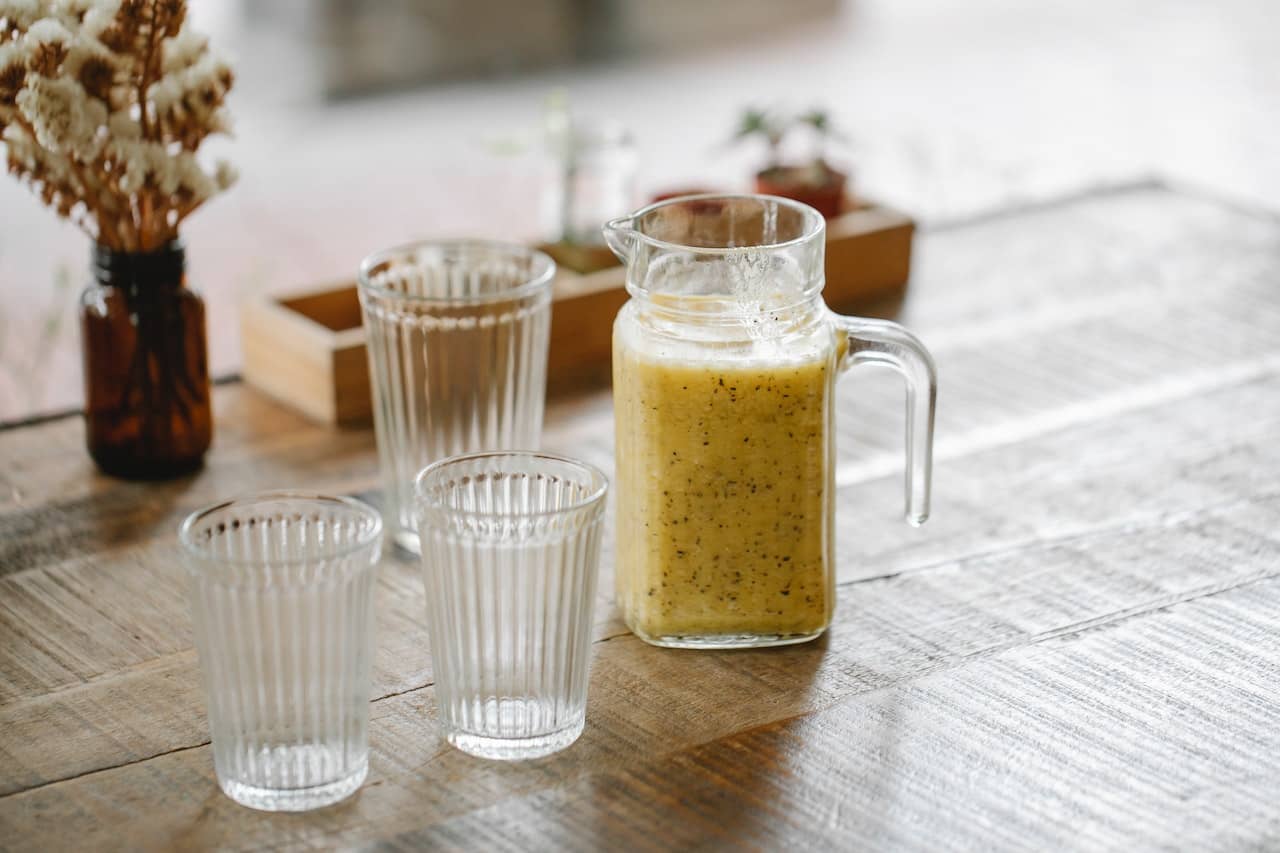
Another fad you can find on social media is the juice cleanse – which involves drinking juices made from vegetables and fruits over a short period of days. Advocates believe in their healing nourishment that also flushes away toxins and waste.
Dr Kasem says that while the juices could help with your five-a-day, they could also be harmful to your mouth.
“Drinking juice directly allows sugar to build up and get stuck in the crevices of your teeth.
“Overexposure to juicing can lead to complications such as cavities, crumbling molars, and even tooth decay, so if you’re wanting to try juicing, make sure to do it as part of a balanced diet between solids and liquids,” he said.
Source: Mirror