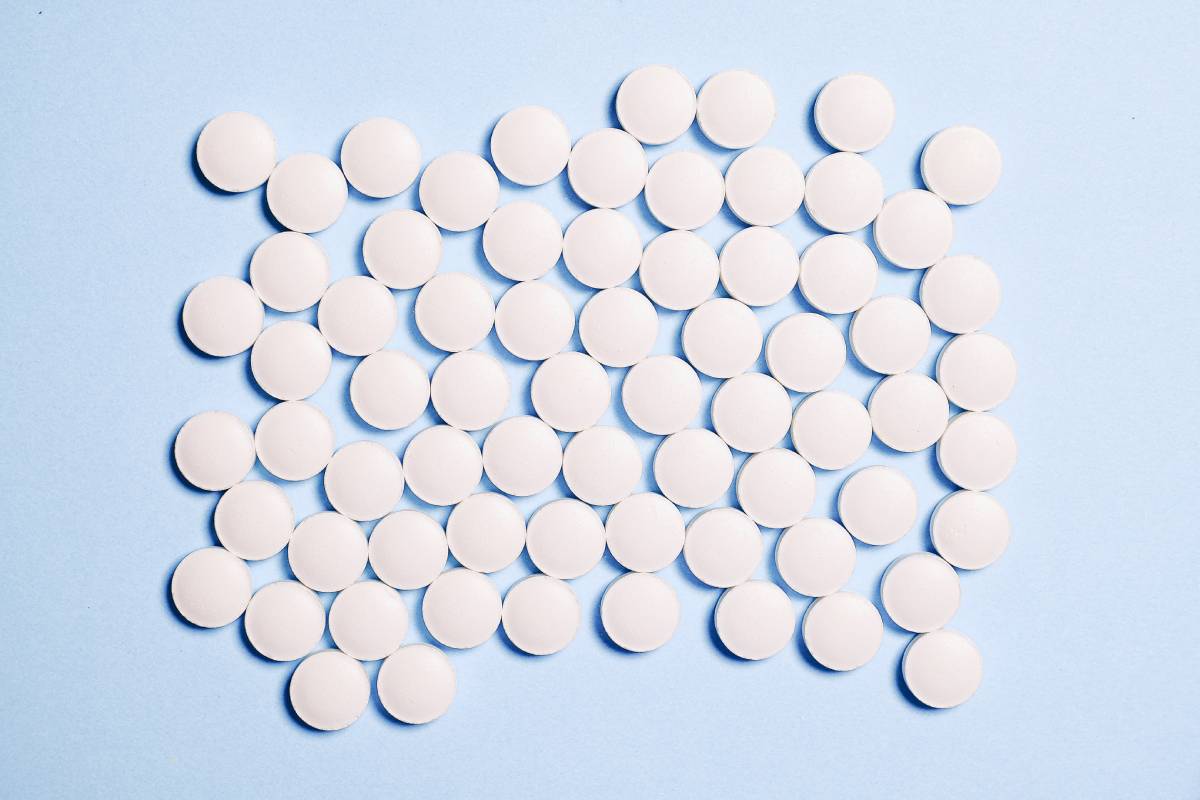
Plastic-free, zero-waste, and eco-friendly, toothpaste tablets are the sustainable oral care solution you’ve been looking for. And might be that perfect companion for your biodegradable bamboo toothbrush.
So what Are Toothpaste Tablets?
Toothpaste tablets are a toothpaste formula made without water that’s then pressed into a pill-like form. To use them, you pop a tablet into your mouth and chew, letting your saliva (or swig of H2O) help break it down into a paste, then brush using a wet toothbrush. That’s it!
Compared to traditional toothpaste, they have a similar ingredient base, but regular toothpaste includes H20 to create the creamy texture and often some type of preservatives, such as parabens or sodium benzoate, to keep the formula from going bad. (FYI, liquid can be a breeding ground for bacteria and mold, so most mixtures with water need something to help keep it fresh for longer.) Both toothpaste tablets and tubes are available in fluoride-containing and fluoride-free options.
Because toothpaste tablets are formulated without using water, they can be made with few or even no preservatives, says cosmetic dentist Michaela Tozzi. So if you’re keen on using only natural products, this eco-friendly toothpaste might be even more up your alley.
However, little to no preservatives can mean that the product has a shorter shelf life, and once opened the shelf life can vary depending on factors such as the product’s packaging. For this reason, opt for those that come in containers that tightly close to lock out moisture and presser the toothpaste tablets, recommends cosmetic dentist Lawrence Fung.
As of now, toothpaste tablets are not approved by the American Dental Association (ADA) and many are fluoride-free (fluoride is a proven cavity-buster that’s been standard in toothpaste since Procter & Gamble released Crest in 1956). But that doesn’t mean they don’t work — quite the opposite, actually. “Toothpaste tablets are an easy way to brush and are still very effective at plaque removal,” says Fung. And Tozzi agrees, adding that many of the natural ingredients featured in toothpaste tablets (think: coconut oil and sugar alcohols, such as xylitol and sorbitol) have antibacterial properties.
There is a learning curve to liking toothpaste tablets since they need to be chewed before becoming a brushable paste. And this can be particularly difficult for those with dry mouth, as you need ample saliva to help melt the tablet into its brushable formula, explains Fung. If that’s the case, just swish some water around in your mouth as you bite.
And while doing good for the environment is paramount, it’s also important to note that toothpaste tablets tend to be more expensive than traditional tube versions.
Source: www.shape.com