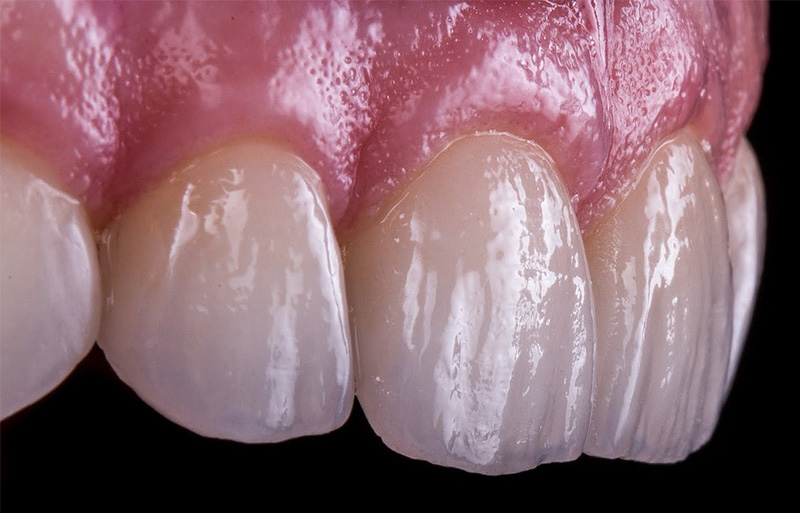
Photo by Jaraquemada on Pixabay
Gum disease is one of the most widespread diseases in the United Kingdom. When left untreated, the consequences can become irreversible. Long-standing gum disease often turns into periodontal disease, affecting the tissues supporting the teeth. And as the disease gets worse, the bone anchoring the teeth in the jaw wears away and tooth loss occurs.
Now, a new procedure could treat the problem. In an exciting study published by the American Chemical Society, scientists have been able to combine biological and mechanical techniques to repair and regenerate bone and gum tissue.
Researchers surgically implanted a thin, film-like membrane between the inflamed gum and tooth. This membrane blocks the infection from the gums and delivers antibiotics, medication and growth factors to the gum tissue.
Co-author of the study, Alireza Moshaverinia says: “We’ve determined that our membranes were able to slow down periodontal infection, promote bone and tissue regeneration.
“We’ve also figured out a way to prolong the drug delivery timeline, which is key for effective wound healing. We see this application expanding beyond periodontitis treatment to other areas needing expedited wound healing and prolonged drug delivery therapeutics.”
Dr Nigel Carter OBE, Chief Executive of the Oral Health Foundation, says: “Millions of people across the world lose teeth from periodontitis and it can have severe bearing on everyday life. This study has significant potential and we shall look forward to human trials.”
In recent years, gum disease has been linked with general health conditions such as diabetes, strokes, cardiovascular disease, poor pregnancy outcomes and even dementia.
There is no cure for periodontal disease, but it can be controlled with good home care and regular visits to the dentist. By doing these, any further loss of bone will be very slow, and it may stop altogether.
“All gum disease is caused by plaque – a film of bacteria which forms on the surface of the teeth,” adds Dr Carter.
“Catching gum disease early, before it escalates into periodontitis is vital. To prevent and treat gum disease, make sure to remove all the plaque from the teeth every day. This is done by brushing and cleaning in between the teeth with ‘interdental’ brushes or floss.
“The first sign of gum disease is blood on your toothbrush or in the toothpaste you spit out after cleaning your teeth. Your gums may also bleed when you are eating, leaving a bad taste in your mouth. Your breath may also become unpleasant.”
Source: Oral Health Foundation